Shanahan University Hosts Hungarian Medical Experts, Explores Opportunities for International Academic Collaboration
26 October 2026 2026-10-26 20:36Shanahan University Hosts Hungarian Medical Experts, Explores Opportunities for International Academic Collaboration

Shanahan University Hosts Hungarian Medical Experts, Explores Opportunities for International Academic Collaboration
Shanahan University, Onitsha, has taken another encouraging step towards strengthening its international academic relationships with the visit of two distinguished medical professionals from Hungary.
The University, on Monday, October 26, 2026, welcomed Dr. Réka Fodor, a family medicine specialist, philanthropist and Chief Executive Officer of the Afréka International Humanitarian Foundation, alongside Dr. Márton Háznagy Benedek, a pharmacist and lecturer at the University of Szeged, Hungary.
Also part of the delegation were Very Rev. Fr. Dr. Basil Ekwunife, Vice Chancellor and Health Co-ordinator of the Catholic Archdiocese of Onitsha, and Rev. Fr. Kingsley Okaroh, Deputy Manager of Shanahan University Teaching Hospital, St. Charles Borromeo, Onitsha.
The visit provided an opportunity for meaningful discussions on international academic collaboration, healthcare education, research opportunities and the professional development of students. It also featured engaging lectures and practical demonstrations designed to broaden students’ understanding of contemporary healthcare and pharmaceutical sciences.
Strengthening International Academic Relationships
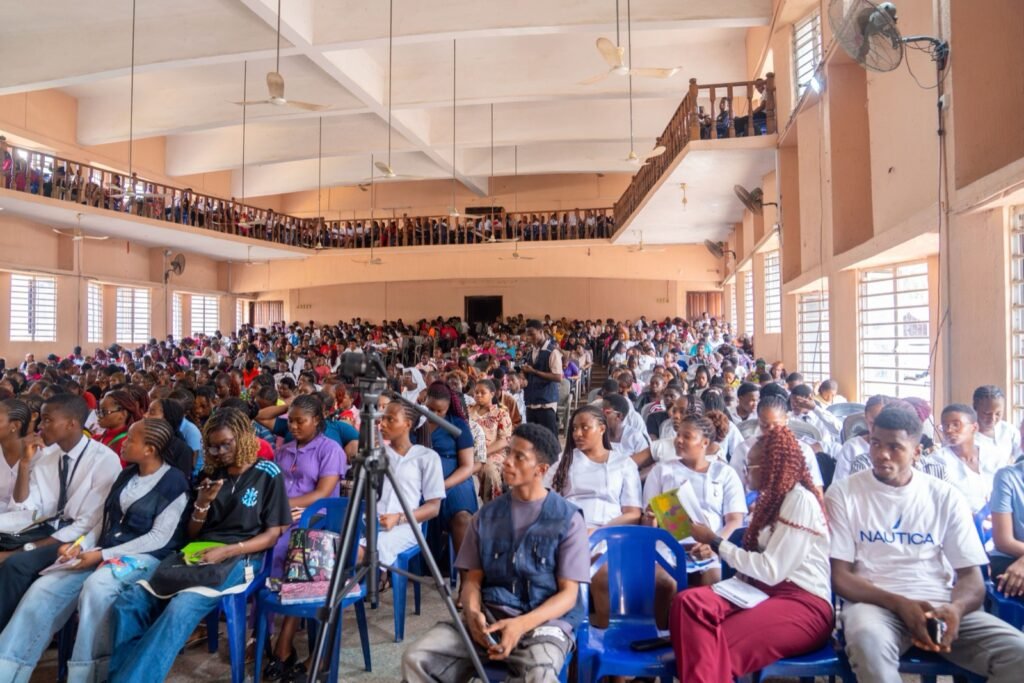
The visitors were received by the Ag Vice-Chancellor of Shanahan University, Very Rev. Fr. Prof. Chukwunonso Dominic Obielosi, alongside other members of the University community and priests of the Catholic Archdiocese of Onitsha.

As part of their visit, the guests toured the University’s permanent site, where they had the opportunity to appreciate the institution’s vision, facilities and ongoing development.
During discussions with the delegation, the Ag Vice-Chancellor reiterated Shanahan University’s commitment to building meaningful relationships with reputable institutions across the world.
He emphasised the importance of international partnerships in creating opportunities for academic exchanges, collaborative research, knowledge sharing and broader educational experiences for students and staff.
Particular attention was given to the possibility of establishing connections with universities and research institutions in Hungary and other parts of Europe.
The discussions also explored opportunities for student mobility, international research exposure and initiatives that could support deserving students in their academic pursuits.
The engagement reflects the University’s determination to provide an educational experience that combines sound academic training with international exposure and practical knowledge.

Promoting Health Awareness and Preventive Medicine

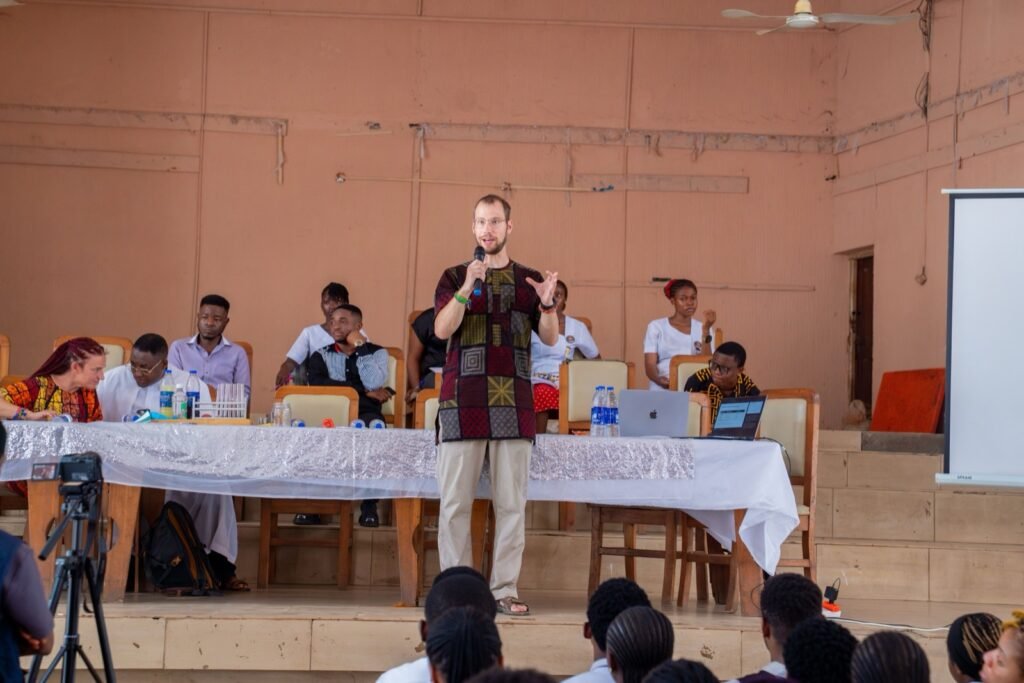
A major highlight of the visit was an insightful presentation by Dr. Réka Fodor on lifestyle-related diseases and the importance of preventive healthcare.
Drawing from her experience as a family medicine specialist and humanitarian, Dr. Fodor encouraged students to recognise the close relationship between everyday lifestyle choices and long-term health.
Her presentation addressed several health conditions, including cardiovascular diseases, diabetes, obesity, hypertension and psychological disorders.
She explained how factors such as unhealthy dietary habits, physical inactivity and prolonged stress can contribute to the development of chronic illnesses.
Dr. Fodor particularly emphasised the value of healthy eating, regular physical activity, adequate health screening and greater public awareness of preventable diseases.
She also encouraged students to appreciate the nutritional benefits of traditional foods and to make informed decisions about their health.
Beyond personal well-being, she challenged the students to become advocates for healthier communities by sharing accurate health information and participating in outreach programmes.
Her message reinforced an important principle of healthcare education: that effective healthcare extends beyond treating illnesses to preventing diseases and promoting healthier lifestyles.
Understanding Diabetes and the Importance of Early Detection
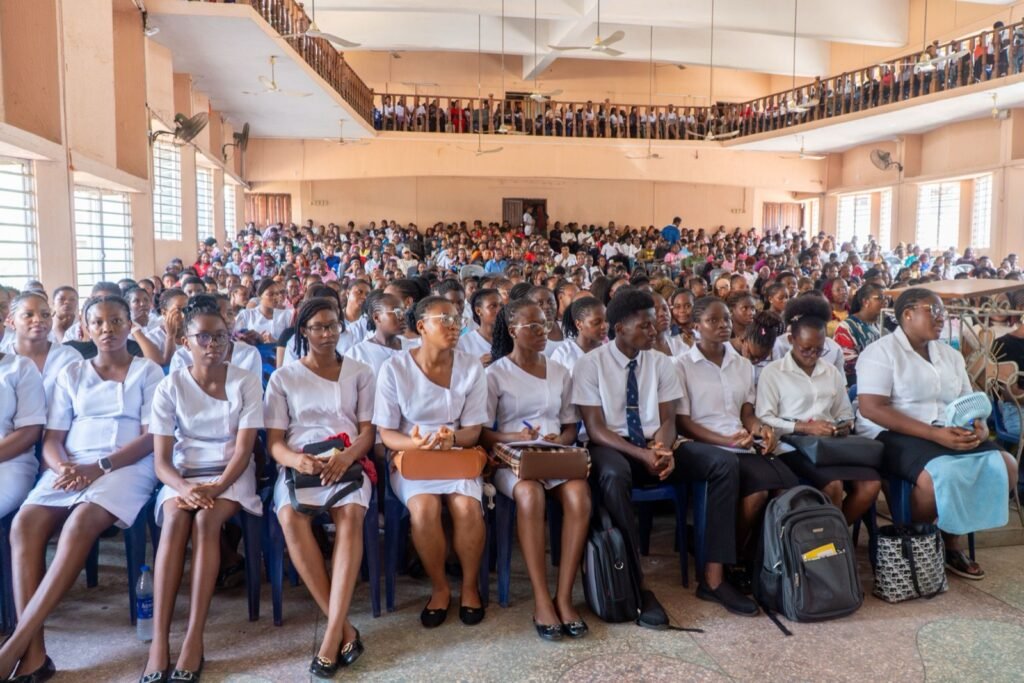

Dr. Fodor devoted part of her presentation to diabetes, discussing its causes, symptoms, prevention and management.
She explained the role of insulin in regulating blood glucose and highlighted common warning signs, including excessive thirst, frequent urination, persistent fatigue, blurred vision and delayed wound healing.
The presentation also introduced students to the importance of blood glucose monitoring and the HbA1c test, which helps assess average blood glucose levels over a period of approximately two to three months.
She stressed the value of early detection, regular medical examinations and informed lifestyle choices in reducing the complications associated with diabetes.
The session provided students with practical health information relevant to their studies and everyday lives.
Exploring the Science of Medicines from Natural Sources
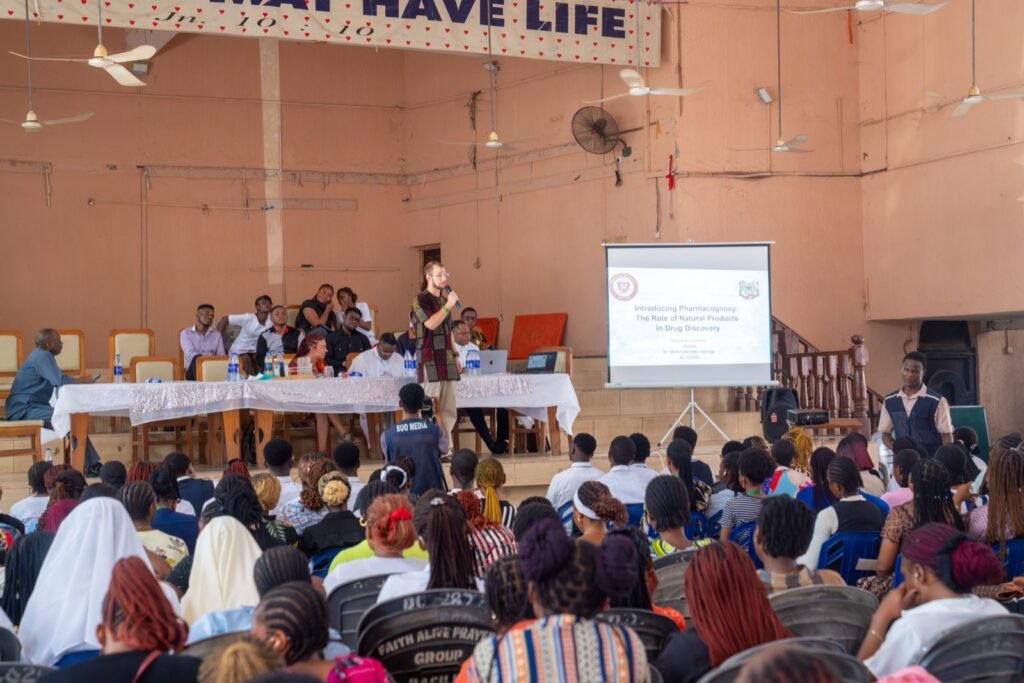
The academic programme continued with a lecture delivered by Dr. Márton Háznagy Benedek on pharmacognosy, an important field of pharmaceutical science concerned with medicinal substances obtained from natural sources.
Dr. Benedek introduced students to the scientific processes through which naturally occurring compounds are studied, developed and applied in modern medicine.
Using familiar examples, he discussed the origins and medical applications of important medicines such as morphine, quinine and artemisinin.
He also examined the contributions of natural products to the development of medicines used in managing conditions such as cancer and diabetes.
A central theme of his lecture was the importance of scientific research, quality assurance and safety in pharmaceutical development.
He explained that the discovery of a potentially useful natural compound is only one stage in the development of a medicine. Careful identification, testing, standardisation and evaluation are essential to ensuring its safety and effectiveness.
The lecture further introduced students to developments in biotechnology and synthetic biology, demonstrating how modern scientific techniques are expanding possibilities in pharmaceutical research.
Bringing Science to Life Through Practical Demonstrations
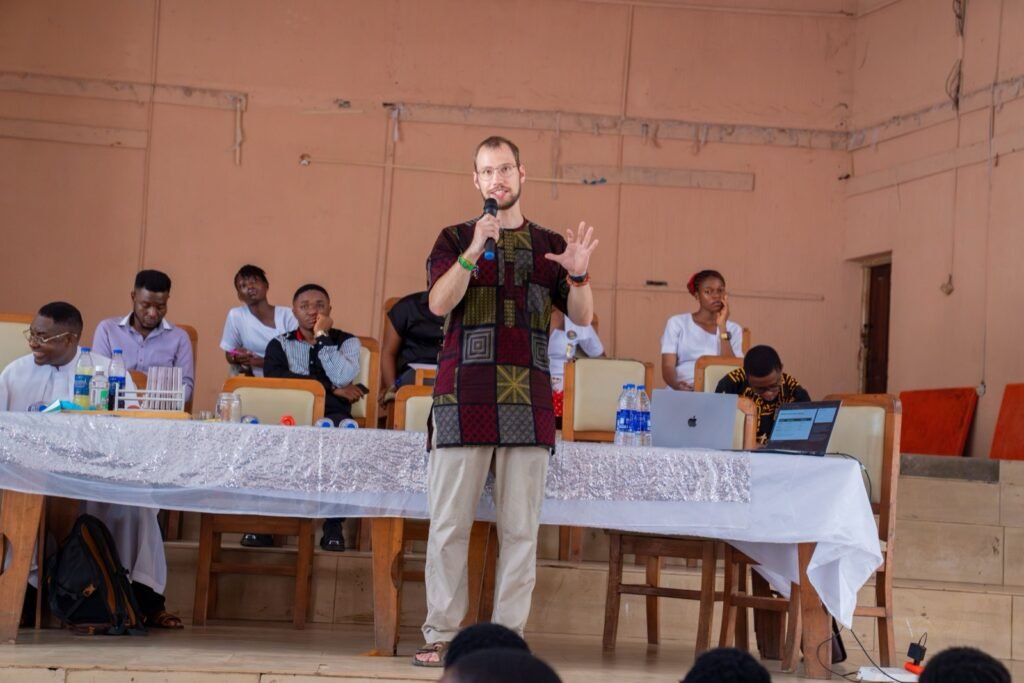
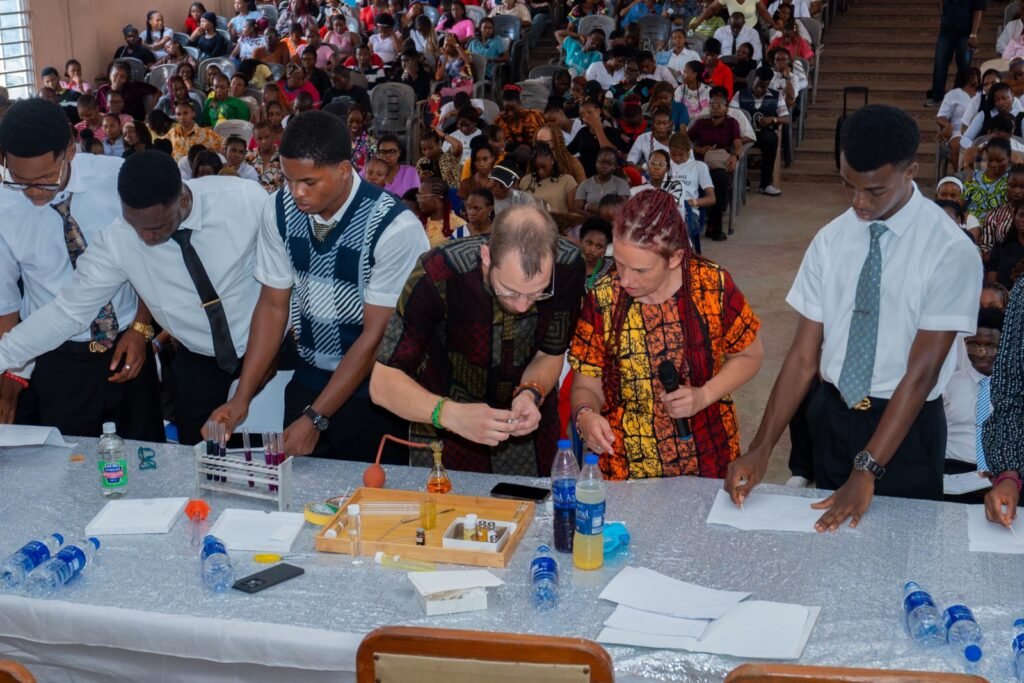
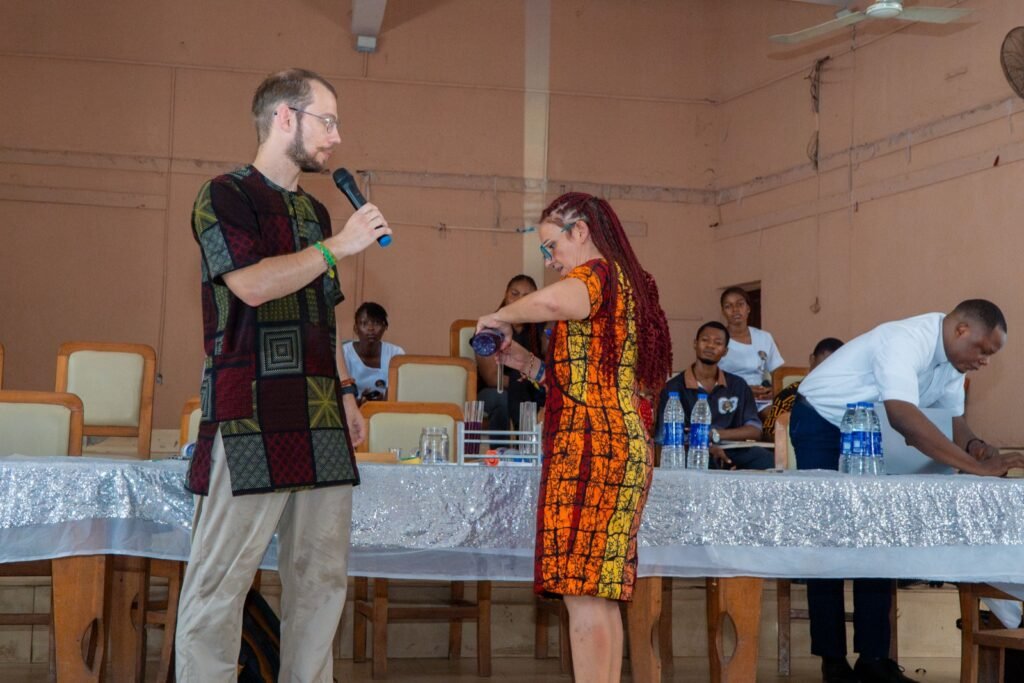
One of the most engaging aspects of the programme was the opportunity for students to participate in practical scientific demonstrations.
Under Dr. Benedek’s guidance, students observed how certain natural substances respond to changes in acidity and alkalinity.
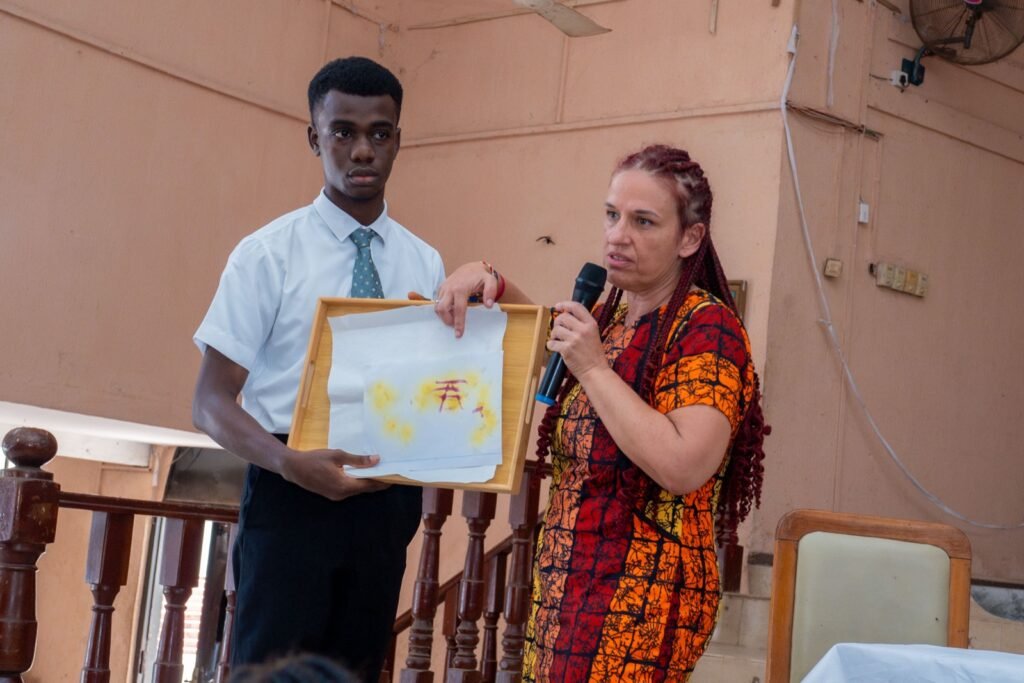
In one demonstration, purple cabbage extract was used as a natural pH indicator. Students observed changes in the colour of the solution when different substances were introduced.
Another experiment involved turmeric, which displayed a noticeable colour change when combined with sodium carbonate.
These simple but instructive demonstrations helped connect scientific principles discussed during the lecture with observable chemical reactions.
The interactive approach encouraged curiosity, active participation and a deeper appreciation of the practical applications of science.
For the students, the experience provided an opportunity to learn directly from an international academic and engage with scientific concepts beyond conventional classroom instruction.
Celebrating Student Participation and Academic Excellence
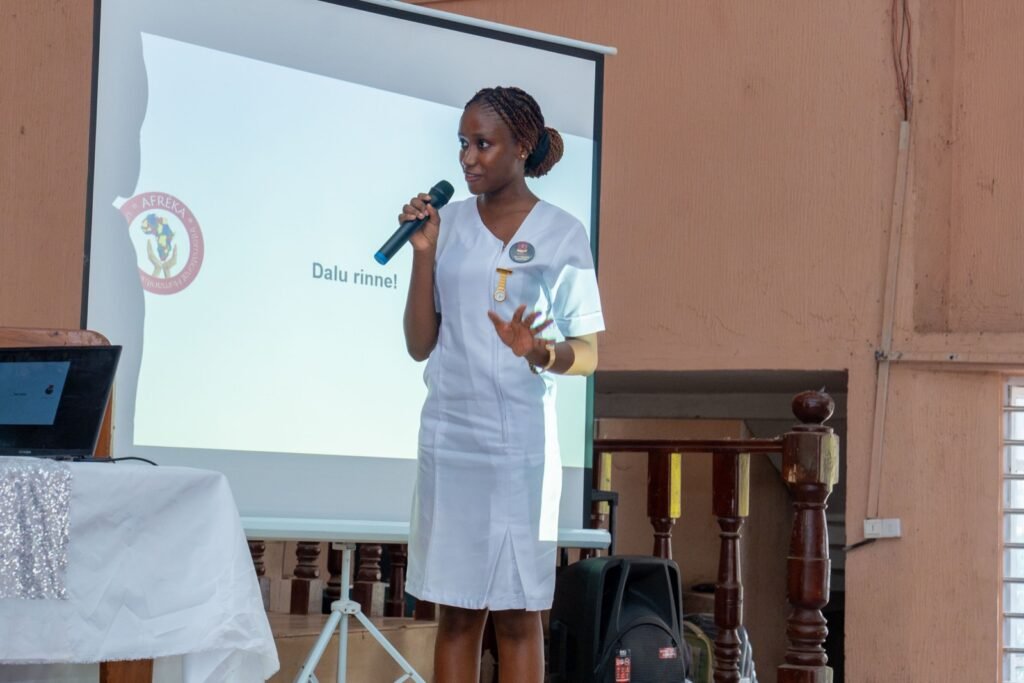
The programme concluded with an interactive academic challenge designed to assess the students’ understanding of the presentations.
A student was selected to deliver a brief summary of the major lessons from the sessions.
Following a successful presentation, the student received a cash prize of ₦50,000, adding an exciting and memorable conclusion to the day’s activities.
The exercise encouraged attentiveness, confidence and the ability to communicate scientific knowledge clearly.
It also reflected the importance of recognising and encouraging active student participation in academic activities.
Advancing Shanahan University’s Vision for Global Engagement
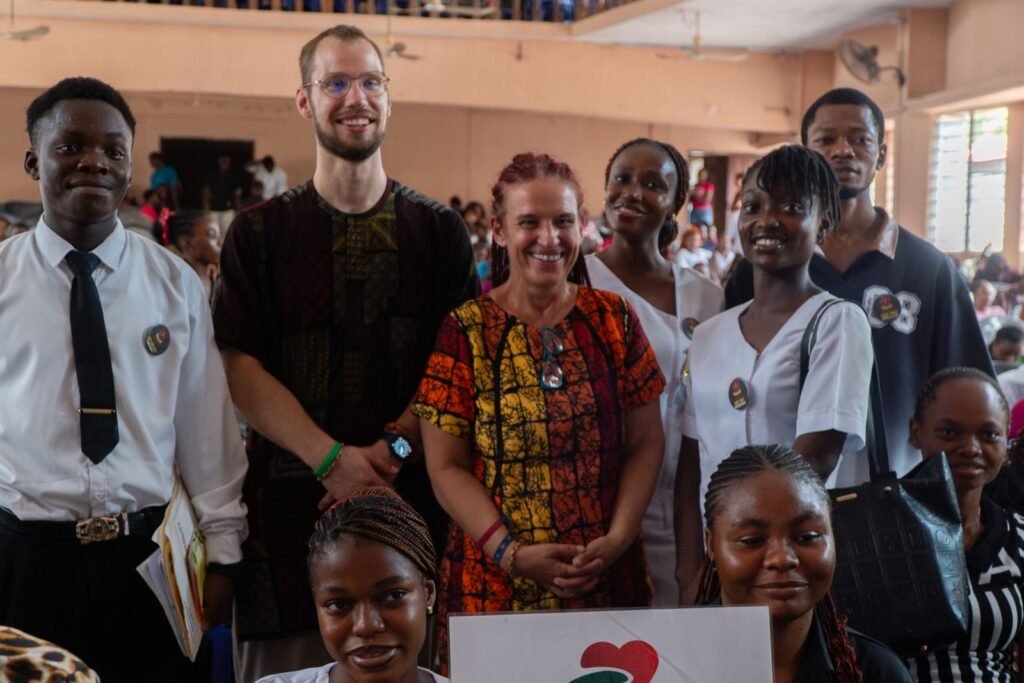
The visit of Dr. Fodor and Dr. Benedek represents another valuable opportunity for Shanahan University to engage with professionals and academics beyond Nigeria.
Through interactions of this nature, the University continues to expose its students to diverse perspectives, emerging developments in healthcare and opportunities for international academic engagement.
The discussions on possible collaborations also provide a foundation for exploring future relationships that could contribute to research, academic exchange and professional development.
As Shanahan University continues to advance its mission of providing quality higher education, initiatives such as this reaffirm its commitment to nurturing knowledgeable, innovative and socially responsible graduates.
The University remains committed to building meaningful academic relationships, promoting practical learning and preparing its students to contribute confidently to an increasingly interconnected world.